Shopping Cart


- -10%

4.1 Therapeutic indications
Adults and adolescents over 12 years:
Symptomatic treatment of (permanent and seasonal) allergic rhinitis, of the associated allergic conjunctivitis and chronic idiopathic urticaria.
Children 6 to 12 years:
Symptomatic treatment of (permanent and seasonal) allergic rhinitis and chronic idiopathic urticaria.
2. QUALITATIVE AND QUANTITATIVE COMPOSITION
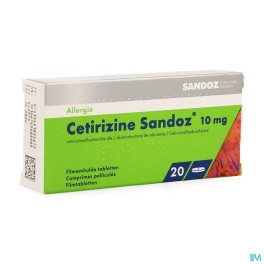
1 film coated tablet contains 8.42 mg of cetirizine in the form of 10 mg cetirizine dihydrochloride
excipients: see 6.1
3. PHARMACEUTICAL FORM
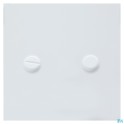
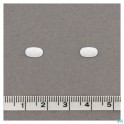
White, long, film coated tablets, scored on one side
4.2 Posology and route
Adults and adolescents over 12 years: 10 mg (1 tablet) once daily
The tablets can be taken with a little water before, during or after meals.
If you experience drowsiness symptoms, the tablet at night swallowed.
Children 6 to 12 years: 10 mg (1 ; tablet) once daily in one or 5 mg (1 / 2 tablet) 2 times a day (morning and evening).
Children less than 30 kg: 5 mg (1 / 2 tablet) once in a day.
The clinical trials in children lasted no longer than 4 weeks.
In patients with moderate renal insufficiency, the dose to 5 mg (1 / 2 tablet per day) to be reduced. Precautions must be taken in patients with mild to moderate renal or hepatic insufficiency (see
'Special warnings and precautions for use').
No evidence was found that the dose should be reduced in healthy elderly.
Treatment duration may vary according to symptoms.
This is a medicine, no prolonged use without medical advice, keep away from children, read the leaflet carefully. Ask your doctor or pharmacist. In case of side effects, contact your doctor.
4.3 Contra-indications
Hypersensitivity cetirizine dihydrochloride for one or the excipients.
Children younger than 6 years.
Patients with severe renal insufficiency.
4.4 Special warnings and precautions for use
Some people may long-term treatment with cetirizine the risk of caries by increasing dryness of mouth. Therefore patients should be informed about the importance of good oral hygiene.
For modified hepatic and renal elimination of cetirizine may have changed. So precautions must be taken when cetirizine is administered to these patients (see 4.2 'dosage and route of administration' and 4.3 'contraindications').
Cetirizine may potentiate the effects of alcohol. Therefore, caution is advised in alcohol consumption.
Simultaneous use of sensors of CNS depressants should also be careful.
Patients with rare hereditary problems of galactose intolerance, Lapp lactase deficiency or glucose-galactose malabsorption should not take this medicine.
4.6 Pregnancy and lactation
The available data on a limited number of exposed pregnant women indicate no adverse effects of cetirizine on pregnancy and the health of the fetus / newborn. To date, no other significant epidemiological data available.
Animal studies have not shown direct or indirect harmful effects on pregnancy, the development of the embryo or fetus, parturition or postnatal development (see 5.3). One should be careful when prescribing to pregnant women of cetirizine.
Lactation
To date, no data on the excretion of cetirizine in human milk. Cetirizine should be avoided during the lactation period.
side Undesirable 4.8
Rare (>1/1.000, Dry mouth, headache, drowsiness, somnolence in children and adults, agitation, abdominal pain and indigestion.
Very rare (Exceptional cases of allergic reactions such as skin reactions and angioneurotic edema have been reported .
4.7 Effects on ability to drive and use machines
Cetirizine may a mild to moderate effect on the responsiveness of the patient. One must take this into account when increased vigilance is required, such as driving a vehicle. Cetirizine, the effect of alcohol and sensors of CNS depressants potentiated.
4.9 Overdose
toxicity: so far, a limited number of reported cases of overdose. Taking 20 mg of a child of 2 years, 30 mg by a child of 3 years and 40 mg of a child of 11 years have produced no symptoms. Taking 60 mg of a child of 4 years has a slight poisoning caused by ingestion of 400 mg a child of 14 years has generated moderate symptoms, but a dose of 400 to 500 mg in an adult has no only symptom generated.
Symptoms of overdose reported with antihistamines:
Drowsiness, unconsciousness and / or excitation (especially in children), ataxia, tremor, headache, hallucinations, convulsions, dry mouth, flushing, hyperthermia, mydriasis, urinary retention, tachycardia, and in case of massive overdose drop in blood pressure and arrhythmia. Nausea and vomiting. Extrapyramidal symptoms may occur. Cetirizine has a weak anticholinergic and sedative effects. Sedation can be a symptom of overdose, and can occur after less than a single dose of 50 mg.
Treatment: There is as yet no specific antidote. The number of overdose cases reported to date is limited and no serious toxicity was reported. The basic treatment is a gastric lavage, if justified, and administration of activated charcoal. A symptomatic treatment followed by severe poisoning, such as administration of diazepam in case of convulsions or acute dystonia.
6.1 List of excipients
Interior of the tablet: microcrystalline cellulose
magnesium
anhydrous lactose, colloidal silicon
Outer layer :
hydroxypropylmethylcellulose lactose
macrogol 4000
titanium dioxide (pigment)
4.5 Interaction with other medicinal products and other types of interactions
Allergy Tests: Three days before the implementation of the allergy tests should be to stop the use of cetirizine.
Cetirizine, the effect potentiated by alcohol. Therefore, caution is advised in alcohol consumption.
Simultaneous use of sensors of CNS depressants should also be careful.
6.2 Incompatibilities
No
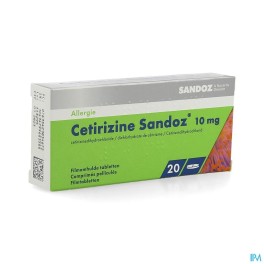
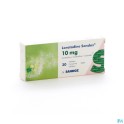
The active ingredient is cetirizine dihydrochloride. Each film-coated tablet contains 10 mg of cetirizine dihydrochloride.
The other ingredients are: Tablet core: microcrystalline cellulose, lactose monohydrate, magnesium stearate, colloidal silicon dioxide; Film: hypromellose, lactose monohydrate, macrogol 4000, titanium dioxide (E 171)
Cetirizine Sandoz must not be taken if you have severe kidney disease (severe impairment of kidney function).
Kidney function with a creatinine clearance below 10 ml/min); - if you are allergic to cetirizine dihydrochloride, hydroxyzine, derivatives (near
related active substances of other medicinal products) of piperazine or any of the other ingredients of this medicinal product listed in section 6.
This is a medecine available without a prescription.. Do not use long without medical advice. Read the instructions carefully. Keep this medicine out of the reach of children. Keep the manual as it contains important information. Ask for advice from your doctor or pharmacist. Consult your doctor if adverse reactions.
'