Shopping Cart



Therapeutic Indications:
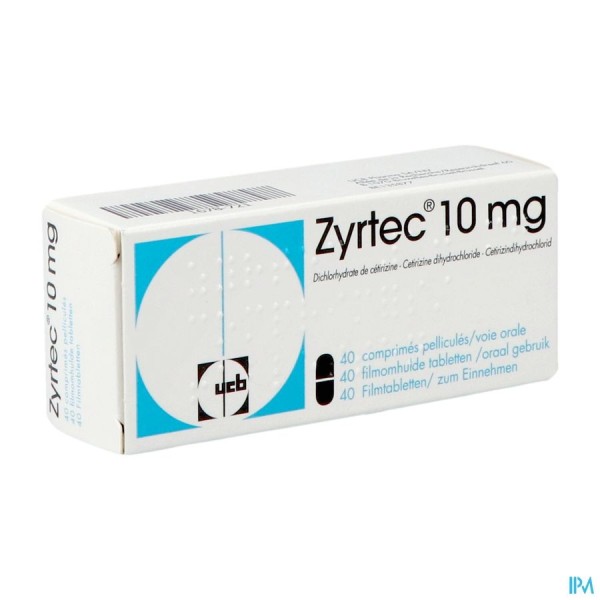
Symptomatic treatment of seasonal rhinitis and conjunctivitis and chronic allergic rhinitis in adults and children over 2 years.
Treatment of allergic pruritus and urticaria.
The present available data do not allow the medicine to recommend under 2 years.
Qualitative and quantitative composition:
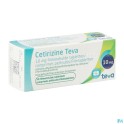
The active ingredient is cetirizine dihydrochloride at 10 mg per tablet, 1 mg / ml for Drinkable solution and 10 mg / ml for drops .
For excipients, see section 'List of excipients.
Pharmaceutical form:
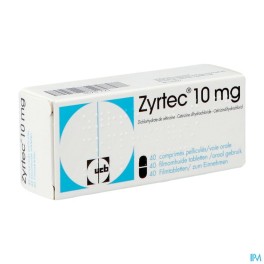
Zyrtec exists as:
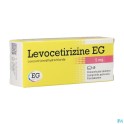
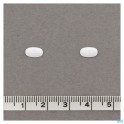
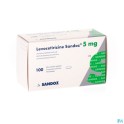
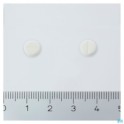
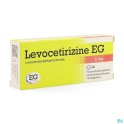
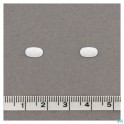
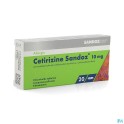
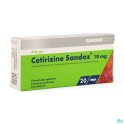
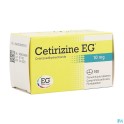
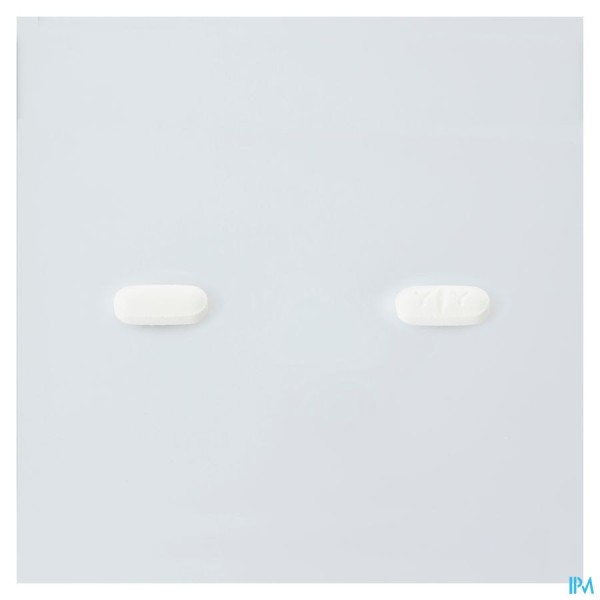
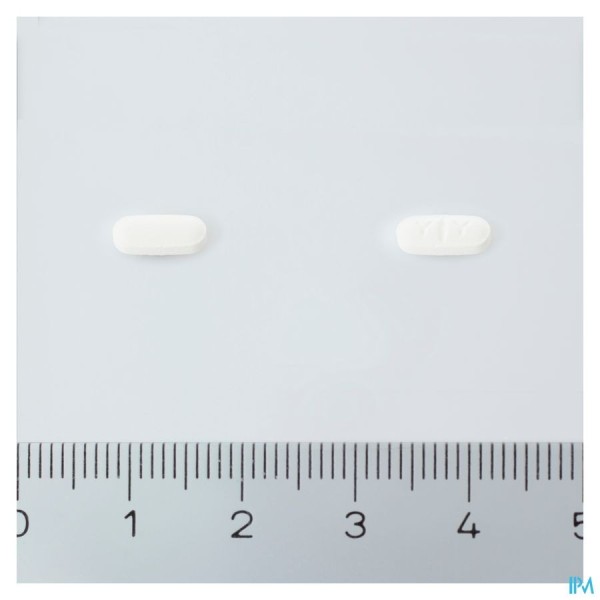
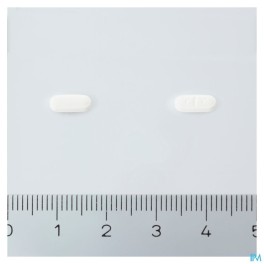
film coated tablets.
Drinkable solution.
Oral drops, solution.
Posology and method of administration:
Oral use.
Adults and children over 6 years.
The daily dose is 10 mg in one intake, preferably in the evening because the symptoms of the indications given primarily at night and then doing it are troublesome.
patients susceptible to adverse effects is recommended at 5 ; mg morning and evening to take.
It is not necessary to reduce the dose in the elderly with normal renal function.
In patients with moderate to severe renal insufficiency and / or liver failure, the dose reduced to be half the usual recommended dose.
Children between 2 and 6 years.
daily dose is 5 mg in an intake of 2.5 mg s morning and evening.
The drops are especially appropriate for young children.
Treatment should be as short as possible and the time must be adjusted to the symptomatology.
Treatment duration is usually no longer than 4 weeks in case of seasonal rhinitis, no longer than 3 months in case of chronic rhinitis and may be extended to 6 months in case of chronic idiopathic urticaria.
With prolonged use, patients should be monitored.
This is a medicine, no prolonged use without medical advice, keep away from children, read the leaflet carefully. Ask your doctor or pharmacist. In case of side effects, contact your doctor.
Contraindications:
Hypersensitivity to active substance cetirizine dihydrochloride, a piperazinederivaat or any of the excipients.
Severe renal impairment (creatinine clearance below 10 ml / min).
Special warnings and precautions for use:
Caution should be exercised with concomitant use of sedatives, theophylline, and ethanol.
The tablet should not be administered to patients with rare hereditary problems of galactose intolerance, Lapp lactase deficiency or glucose-galactose malabsorption.
the drinkable solution should not be administered to patients with hereditary fructose intolerance.
Pregnancy and lactation:
Teratologiestudies in animals revealed no specific abnormalities to light. However cetirizine may, as prudence measure, not used in pregnant women. The same goes for lactation as cetirizine passes into breast milk.
Side effects:
Like the H1-receptor antagonists of the second generation, called cetirizine lesser extent within the central nervous system and causes significantly less sedation than the first generation of antihistamines.
Clinical studies showed that cetirizine at the recommended dose is less important in the central nervous system side effects, including somnolence, fatigue, vertigo and headache. In some cases, a paradoxical stimulation of the central nervous system reported. The parabens in the solution at 10 mg / ml in the drinkable solution 1 mg / ml may be allergic reactions (some of the delayed type).
Even though the drowsiness statistically frequent than with placebo, it was in most cases mild to moderate. Studies using objective tests in young healthy volunteers showed that the normal daily activities are not affected by the recommended daily dose.
Cetirizine Although a selective antagonist of the peripheral H1-receptor and has virtually no anticholinergic effect, were isolated cases of micturition disorder, oogaccomodatiestoornissen and dry mouth were reported.
were cases of abnormal liver function with increased liver enzymes with bilirubinestijging reported. In most cases these problems disappeared after stopping treatment.
The table by system organ class and by frequency lists adverse events reported in placebo-controlled clinical trials with more than 3200 people who were exposed to 10 mg cetirizine or reported during postmarketing experience. The frequency was defined as follows: very common (>= 10%), common (= 1%), uncommon (= 0.1% ), rare (= 0.01%), very rare: Data for adverse events from from clinical studies are expressed as excess over placebo in adverse events were reported at a rate of at least 1% for cetirizine, regardless of a causal link.
For the less common side effects, the estimates were made based on postmarketing experience.
Blood and lymphatic system disorders.
Very rare: thrombocytopenia.
General disorders.
Uncommon: fatigue.
Cardiac disorders.
Rare: tachycardia.
disorders of the central and peripheral nervous system.
Uncommon: vertigo, headache.
Eye.
Very rare: accommodation disorder, blurred vision.
Gastrointestinal Disorders.
Common: dry mouth.
Uncommon: abdominal pain, diarrhea, nausea.
General disorders and administration site conditions.
Uncommon: asthenia, malaise.
Rare: edema.
Immune disorders.
Rare: hypersensitivity reaction.
Very rare: anaphylactic shock.
Hepatobiliary disorders.
Rare: abnormal liver function (increased transaminases, alkaline phosphatase, gamma-GT and bilirubin).
Investigations.
Rare: weight gain.
Nervous system disorders.
Uncommon: paraesthesia.
Rare: convulsions.
Very rare: dysgeusia, syncope.
Psychiatric disorders.
Common: somnolence.
Uncommon: agitation.
Rare: aggressiveness, confusion, depression, insomnia.
Renal and urinary disorders .
Very rare: mictiemoeilijkheden.
Respiratory disorders.
Uncommon: pharyngitis.
Skin and subcutaneous tissue disorders.
Uncommon: flushing, pruritus.
Rare: urticaria.
Very rare: angioneurotic edema.
Typically, the safety profile of antihistamines in children differ from that in adults.
the table by system organ class lists the reactions linked to the drug that were observed with a frequency of 1% or more in 1656 children from 6 months to 12 years old who participated in placebo-controlled trials. The frequency, expressed as excess over placebo was defined as: very common (1%), uncommon (0, 1%), rare (0.01%), very rare: General disorders.
Uncommon: fatigue.
Gastrointestinal Disorders.
Effects of the ability to drive and use machines:
Studies in healthy volunteers showed that intake of 20 and 25 mg cetirizine daily risk of change and vigilance reaction implies. In rare cases, a dose of 10 mg cetirizine the alertness.
Overdose:
The symptoms were observed after overdose were associated with significant effects on the central nervous system or anticholinergic effects of the type. The side effects reported after taking at least five times the recommended dose: confusion, diarrhea, vertigo, fatigue, headache, malaise, mydriasis, pruritus, agitation, sedation, drowsiness, stupor, tachycardia, tremor and urinary retention.
Is no specific antidote to cetirizine. In case of overdose, symptomatic and supportive treatment is recommended. Gastric lavage can be performed in cases of recent ingestion. Dialysis removes cetirizine not effective.
List of excipients:
Film-coated tablet 10 mg: microcrystalline cellulose - Lactose - Colloidal anhydrous silica - Magnesium for the heart. Opadry Y-1-7000 (= hydroxypropyl - titanium dioxide - polyethylene glycol 400) for the film coating.
Drops to 10 mg / ml: Acetic acid - glycerol - Methylparahydroxybenzoëzuur - Propylparahydroxybenzoëzuur - Sodium acetate - Natriumsacharine -- Propylene glycol - Purified water to ml (= 20 drops).
Drinkable solution 1 mg / ml: Acetic acid - glycerol - Methylparahydroxybenzoëzuur - Propylparahydroxybenzoëzuur - Sodium acetate - Natriumsacharine - Natriumsacharine - Non-crystalline Sorbitol 70% - Artificial banana flavor. (derog. 42/1076) - Purified water to one ml.
Interaction with other medicinal products and other forms of interaction:
Cetirizine showed the effect of therapeutic doses of alcohol not to increase (for a blood level of 0.5 g / l). However, caution.
Pharmacokinetic studies of the combination of cetirizine with pseudoephedrine, cimetidine, ketoconazole, erythromycin and azithromycin showed no pharmacokinetic interactions. A study with multiple doses of theophylline (1 x 400 mg / day) and cetirizine showed a slight decrease (16%) of the cetirizineklaring, while the availability of theophylline was not altered.
Concomitant use of cetirizine and macrolides or ketoconazole never showed clinically relevant ECG changes.
In a study with multiple doses of ritonavir (2 x 600 mg / day) and cetirizine (10 mg) increased exposure to cetirizine with 4% while the availability of ritonavir remained unchanged.
The absorption rate of cetirizine is not changed by the diet.
Incompatibilities:
Not applicable.
What Zyrtec contains
Cetirizine hydrochloride.
highly disperse silicon dioxide, magnesium stearate, Opadry Y-1-7000
(hydroxypropylmethylcellulose (E 464), titanium dioxide (E 171), macrogol 400).
This is a medecine available without a prescription.. Do not use long without medical advice. Read the instructions carefully. Keep this medicine out of the reach of children. Keep the manual as it contains important information. Ask for advice from your doctor or pharmacist. Consult your doctor if adverse reactions.
'